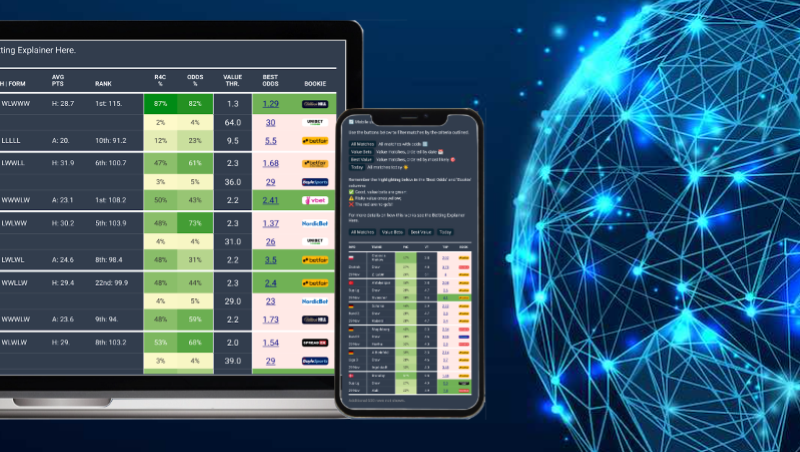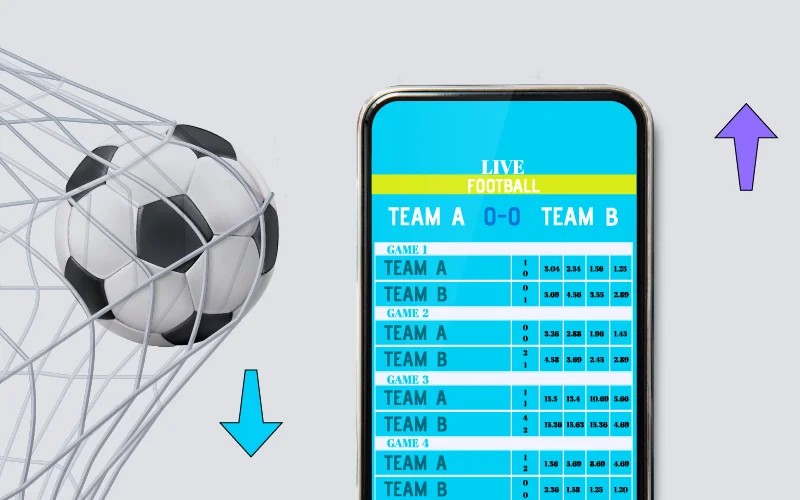
Making accurate match predictions is both an art and a science. It demands rigorous analysis, statistical comprehension, and a structured approach. Whether you are a casual sports enthusiast or an aspiring professional analyst, mastering the fundamentals of match prediction can significantly elevate your success rate. Many experienced forecasters rely on specialized platforms such as EaglePredict to access comprehensive data and actionable insights that drive smarter decisions. This guide walks you through the proven strategies and methodologies used by experts to consistently deliver reliable predictions across sports.
Understanding the Fundamentals of Match Prediction
Before diving into complex analytical frameworks, it is crucial to understand what separates successful predictors from those who rely strictly on luck or intuition. Professional analysts understand that every match result stems from a complex interplay of variables—including team form, player availability, tactical setups, and psychological dynamics. The foundation of a reliable prediction rests on systematic data collection and objective analysis, rather than emotional attachment to a specific team or player.
Statistical models form the backbone of modern predictive systems. These models process historical performance data, head-to-head records, and situational variables to calculate probability distributions for various outcomes. However, raw numbers alone never tell the complete story. Context is vital in sports, and understanding the narrative surrounding each fixture adds essential qualitative dimensions to quantitative analysis.
Successful predictors maintain detailed records of their picks, tracking accuracy rates across different competitions, bet types, and timeframes. This self-monitoring process highlights specific strengths and weaknesses, allowing for continuous methodology refinement. Detailed record-keeping also eliminates selective memory bias—the common psychological tendency to remember wins while conveniently forgetting losses.
Analyzing Team Performance and Current Form
Current form is among the strongest indicators for accurate match forecasting. Teams on a winning streak carry momentum and confidence that often sustain further success, whereas struggling sides face compounding tactical and psychological hurdles. However, evaluating form requires far more nuance than merely tallying recent wins and losses.
Key Factors to Evaluate:
-
Quality of Recent Opposition: A team racking up wins against lower-tier opposition offers far less compelling evidence than one performing strongly against top-tier contenders.
-
Underlying Performance Metrics: Margin of victory matters. A team scraping through on lucky late goals differs fundamentally from a dominant side controlling possession and generating high-quality chances.
-
Expected Goals (xG) Trends: Goal-difference trends reveal a team's true trajectory. Pay close attention to xG indicators, which clarify whether recent results align with underlying performance or if a team is simply over- or under-performing relative to chances created and conceded.
-
Home vs. Away Disparities: Home and away performances must be analyzed separately. Certain teams experience dramatic shifts in output depending on the venue, especially when playing in hostile environments or utilizing tactics tailored specifically to familiar turf.
Evaluating Head-to-Head Records and Tactical Matchups
Historical encounters between teams provide rich predictive data, though these numbers require careful interpretation. Certain clubs consistently struggle against specific opponents due to playing styles, psychological barriers, or tactical vulnerabilities that opponents exploit effectively. These recurring patterns often persist across multiple seasons and roster turnover, making head-to-head records valuable reference points.
However, avoid over-relying on historical data when structural shifts have occurred. Managerial changes, major squad overhauls, or tactical evolutions can render older head-to-head trends obsolete. Always prioritize recent encounters over matches played years ago, particularly when roster continuity is low.
Tactical Matchup Dynamic:
[Possession-Based Teams]  --->  Struggle Against  --->  [Compact Low-Blocks + Fast Counters]
[High-Pressing Teams]     --->  Struggle Against  --->  [Direct Teams Bypassing Press]
Tactical compatibility between teams dramatically sways outcomes. Possession-oriented teams may dominate passive opponents yet struggle against compact low-blocks equipped with lethal counter-attacks. High-pressing sides can suffocate opponents who build from the back, but founder against direct teams willing to bypass the midfield entirely. Understanding these tactical mechanics enhances prediction accuracy by identifying favorable and unfavorable matchups beyond basic squad quality comparisons.
On a micro level, analyze individual player matchups. Fast wingers facing sluggish full-backs, creative playmakers against passive defensive midfielders, or physically dominant strikers dueling inexperienced center-backs are individual battles that can decisively settle a match.
Incorporating Team News, Injuries, and Roster Depth
Team news fundamentally alters match dynamics, making injury and availability tracking indispensable. The absence of star players obviously degrades team performance, but the true predictive impact depends heavily on squad depth and tactical flexibility. Deeply constructed rosters with versatile backup options absorb individual absences far better than thin squads reliant on key figures.
| Factor | Critical Considerations | Predictive Impact |
| Injury Recovery | Differentiate between confirmed out, doubtful, and tactical rotation. | Key players returning from injury often perform below peak physical standards. |
| Suspensions | Track card accumulation and red card bans. | Defensive line chemistry suffers when regular starters are suspended. |
| Fixture Congestion | Monitor multi-competition schedules (Domestic + European cups). | Causes squad rotation, tactical compromise, or late-game physical fatigue. |
| Key Position Changes | Goalkeepers and primary center-back pairings. | Drop-offs to backup goalkeepers or unfamiliar center-back duos create severe vulnerabilities. |
Leveraging Statistical Models and Data Analysis
Modern predictive frameworks integrate sophisticated statistical modeling to identify meaningful patterns across vast datasets. While building complex models requires technical expertise, grasping core statistical concepts improves forecasting quality at any skill level:
-
Regression Analysis: Helps isolate which variables correlate most strongly with match outcomes over large sample sizes. Factors like expected goals (xG), recent form, and home advantage consistently out-predict metrics like raw possession percentage or total corner kicks.
-
Poisson Distribution Models: Remained a staple for estimating goal-scoring probabilities based on attack and defense ratings. By calculating expected goal totals for each team, Poisson models generate baseline probability distributions for correct scorelines.
-
Machine Learning Algorithms: Advanced techniques like Random Forests, Neural Networks, and Gradient Boosting capture non-linear relationships between variables that traditional models miss, though they demand significant technical resources.
-
Betting Market Odds Calibration: Market prices aggregate real-money assessments from thousands of informed participants. Comparing your model's outputs against market odds helps calibrate your confidence and identify genuine value opportunities where your analysis diverges from public consensus.
Accounting for Psychological and Motivational Factors
Psychological elements heavily influence match outcomes but present a challenge for raw quantification. Teams fighting relegation frequently display an intensity that overrides underlying quality gaps, particularly in direct "six-pointer" clashes against fellow strugglers. Conversely, mid-table teams with little to play for late in the season often underperform against highly motivated opposition.
-
Derby Matches & Local Rivalries: Emotional intensity can completely negate form and talent disparities. Underdogs often elevate their performance through pure determination, while favorites may wilt under intense pressure.
-
Managerial Dynamics: Coaches under threat of dismissal may resort to ultraconservative setups to avoid humiliating defeats—or take reckless attacking gambles. Conversely, a new manager often produces a temporary "new manager bounce" through fresh tactics and renewed squad motivation.
-
Tournament Context: Teams already qualified for knockout stages often rest key players in final group matches, whereas teams needing a result play with maximum urgency.
Developing Disciplined Bankroll Management
Even the most sophisticated analytical framework fails without strict bankroll management to navigate inevitable variance. Professional handicappers stake consistent percentages of their overall bankroll rather than altering wager sizes based on emotional confidence or a desire to chase losses.
-
The Kelly Criterion: Provides a mathematical formula for sizing stakes based on estimated edge and probability. Utilizing a Fractional Kelly approach (e.g., half-Kelly or quarter-Kelly) reduces portfolio volatility while preserving positive expected value ($+EV$).
-
Conservative Staking: Allocating between 1% and 3% of total bankroll per prediction provides robust protection against catastrophic drawdowns during cold streaks.
-
Long-Term ROI Tracking: Evaluate forecasting performance over hundreds of picks to separate genuine analytical skill from short-term luck. Elite predictors rarely exceed a 55–60% success rate in highly competitive markets over the long run.
-
Specialization: Narrowing focus to specific leagues, divisions, or prop markets allows for deeper expertise than spreading analytical energy across dozens of unfamiliar competitions.
Refining Predictions Through Continuous Learning
The sports analytics landscape evolves constantly through tactical trends, rule modifications, and shifting competitive dynamics. Maintaining an edge requires continuous education:
-
Conduct Post-Match Audits: Review both winning and losing predictions. Was team news inaccurate? Did an unexpected tactical shift occur? Were key statistical metrics misleading in that specific scenario?
-
A/B Test Methodologies: Systematically test new statistical variables or weighting adjustments against control models to confirm genuine performance improvements before full deployment.
-
Engage with Analytical Communities: Collaborate with serious sports analysts to exchange ideas, test assumptions, and expose your models to constructive critique.
Conclusion
Making accurate match predictions demands dedication, analytical rigor, and a commitment to refining your process. By combining quantitative statistical modeling with qualitative context, enforcing disciplined bankroll management, and learning from both successes and setbacks, you can build a prediction framework that yields consistent long-term results.
The path from a casual sports viewer to a proficient forecaster requires patience and persistence, but the intellectual satisfaction and practical edge make it a deeply rewarding pursuit.
Related Reading: