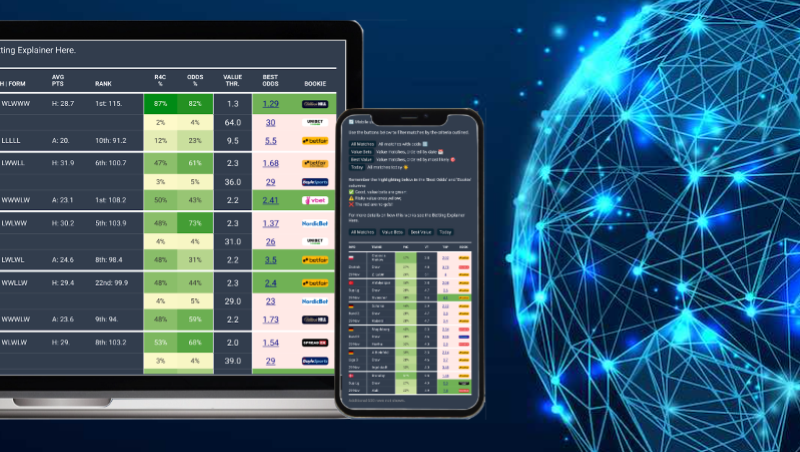
The digital age has transformed how sports enthusiasts analyze games and forecast outcomes, creating unprecedented opportunities for those seeking to make accurate match predictions. With countless online platforms offering statistical data, expert analysis, and community insights, the modern predictor has access to resources that were unimaginable just a decade ago. Platforms like eaglepredict have emerged as valuable tools for accessing comprehensive match information and analytical resources that support informed decision-making. This article explores battle-tested strategies that will elevate your forecasting abilities and help you navigate the complex world of online sports prediction with confidence and consistency.
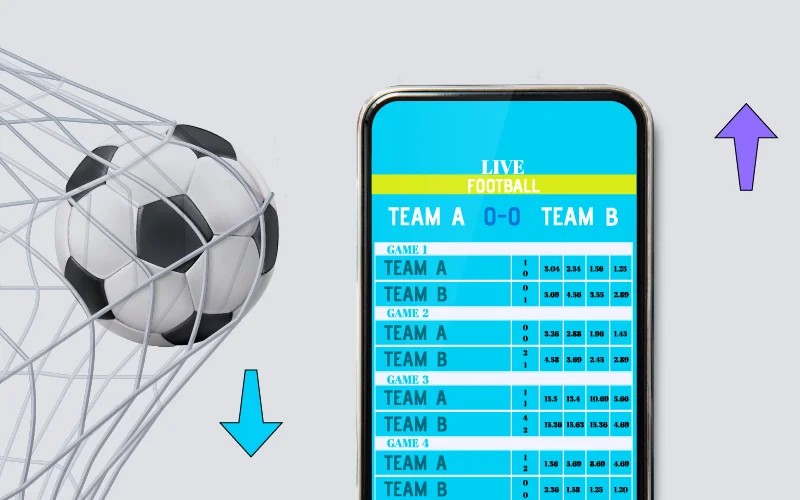
Building a solid foundation for match forecasting success
Every successful journey toward mastering prediction skills begins with establishing fundamental principles that guide your analytical approach. The online environment offers both advantages and challenges, with information abundance sometimes creating confusion rather than clarity. Developing a systematic methodology helps filter signal from noise and ensures consistent application of sound reasoning across all your forecasts.
Start by identifying your core information sources and evaluating their reliability. Not all online content provides equal value, and distinguishing authoritative analysis from speculation or entertainment becomes crucial. Reputable sports data websites, verified statistical databases, and established analytical communities typically offer more trustworthy information than random social media opinions or unverified rumors.
Create a structured checklist that you apply to every prediction opportunity. This framework might include examining recent form over specific timeframes, reviewing head-to-head statistics, checking injury reports, analyzing tactical matchups, and considering situational factors like fixture congestion or motivation levels. Consistent application of your checklist prevents overlooking important variables and reduces the influence of cognitive biases that undermine prediction quality.
Document your prediction process and outcomes systematically. Maintaining detailed records allows pattern recognition over time, revealing which analytical approaches deliver the best results and which factors you might be overvaluing or undervaluing. This data-driven self-assessment creates a feedback loop that continuously improves your methodology through empirical evidence rather than subjective impressions.
Mastering statistical analysis for prediction accuracy
Numbers tell compelling stories when interpreted correctly, and statistical literacy represents perhaps the most valuable skill for anyone pursuing accurate match predictions online. The abundance of sports statistics available through digital platforms enables sophisticated analysis that goes far beyond basic win-loss records or goal tallies.
Expected goals have revolutionized soccer analysis by measuring shot quality rather than just outcomes. Teams consistently outperforming their expected goals numbers may be experiencing unsustainable luck, while those underperforming might be poised for positive regression. Understanding these metrics helps identify value opportunities where actual results diverge from underlying performance quality.
Possession statistics require contextual interpretation. High possession percentages don't automatically indicate dominance if teams aren't creating dangerous chances. Similarly, some sides deliberately cede possession while remaining highly effective through counter-attacking strategies. Examine possession in conjunction with metrics like shots on target, expected goals, and territorial advantage for comprehensive performance assessment.
Defensive metrics deserve equal attention to offensive statistics when evaluating teams. Clean sheet percentages, expected goals against, shots conceded, and defensive actions successfully completed all provide insights into defensive solidity. Teams with improving defensive numbers often represent excellent prediction opportunities, as defensive consistency tends to correlate strongly with positive results.
Historical performance against similar opposition styles offers predictive value beyond overall record statistics. Some teams consistently struggle against high-pressing opponents despite strong overall records, while others excel when facing possession-dominant sides. Identifying these stylistic patterns through statistical analysis enhances your ability to forecast specific matchup outcomes accurately.
Leveraging online resources and expert insights effectively
The internet hosts countless sources of sports analysis, from professional experts to passionate amateur analysts sharing their perspectives. Learning to navigate this landscape efficiently separates successful online predictors from those overwhelmed by information overload.
Follow established analysts with proven track records rather than chasing every trending opinion. Quality over quantity applies emphatically to information consumption, and devoting attention to a select group of reliable sources produces better results than skimming hundreds of superficial takes. Observe how respected analysts structure their reasoning and incorporate useful frameworks into your own approach.
Online communities dedicated to sports analysis provide valuable opportunities for discussion and perspective exchange. Engaging with fellow enthusiasts exposes you to different analytical angles and helps identify blind spots in your reasoning. However, maintain critical thinking and avoid groupthink, where community consensus replaces independent analysis. The best predictions often come from contrarian positions supported by solid evidence.
Real-time information access represents a significant advantage of online prediction environments. Team news, lineup announcements, and late breaking developments can dramatically shift match dynamics. Establishing alerts and monitoring reliable news sources ensures you incorporate the latest information before finalizing your predictions. Many successful predictors maintain disciplined routines for checking updates at specific times before matches begin.
Video analysis platforms allow detailed tactical examination that complements statistical data. Watching match footage reveals patterns that numbers alone might miss, such as defensive vulnerabilities, attacking tendencies, or individual player roles within team systems. Even brief highlight reviews provide useful qualitative context that enriches purely statistical analysis.
Understanding market dynamics and odds movements
Online betting markets aggregate collective wisdom from thousands of participants risking real money, creating powerful prediction tools when interpreted correctly. Market odds reflect probability assessments that incorporate vast information and analysis, making them valuable reference points for calibrating your own forecasts.
Opening odds represent bookmakers' initial assessments based on their sophisticated models and expert input. Observing how lines move from opening to kickoff reveals where informed money flows and what new information the market considers significant. Substantial odds movements often signal important news like injury updates or tactical changes that warrant investigation.
Comparing odds across multiple platforms identifies discrepancies that might indicate value opportunities. While major markets typically show similar prices, smaller variations exist that reveal differing opinions about match probabilities. Understanding why certain platforms price matches differently deepens your analytical perspective and occasionally uncovers favorable prediction spots.
Market overreactions to recent results create opportunities for accurate match predictions that diverge from public sentiment. Teams receiving excessive attention after impressive victories sometimes face deflated odds that undervalue their actual winning probability against upcoming opponents. Similarly, sides experiencing harsh criticism following poor performances may represent value when fundamentals remain sound despite short-term struggles.
Sharp versus public money distinctions matter significantly in betting markets. Professional predictors often take positions opposite to public preferences, recognizing that recreational enthusiasm frequently overvalues popular teams. Tracking reverse line movement, where odds shift despite lopsided public betting percentages, identifies where sharp money contradicts casual opinion.

Adapting strategies across different sports and competitions
Each sport presents unique characteristics that require tailored analytical approaches for optimal prediction accuracy. While fundamental principles apply universally, successful online predictors recognize sport-specific factors that influence outcomes differently across various competitions.
Soccer prediction emphasizes possession dynamics, tactical systems, and defensive organization. Low-scoring nature means individual moments can decide matches, introducing higher variance than sports with more scoring events. Home advantage effects vary significantly across leagues, with some competitions showing minimal venue impact while others demonstrate substantial home team benefits.
Basketball analysis focuses on pace, shooting efficiency, and rest advantages given the grueling schedule. Back-to-back games create fatigue factors that savvy predictors exploit, while matchups between contrasting pace preferences produce reliable scoring trends. Three-point shooting variance can swing individual games dramatically, but season-long percentages typically regress toward team baseline rates.
American football features strong week-to-week volatility combined with meaningful seasonal trends. Coaching quality matters enormously, with innovative play-calling and superior preparation often overcoming talent disadvantages. Injury impact scales significantly given roster size limitations, while weather conditions affect outdoor games more dramatically than indoor sports.
Tennis prediction rewards deep player-specific knowledge about surface preferences, playing styles, and head-to-head dynamics. Physical condition and recent match load significantly influence performance in this individual sport. Mental strength separates elite players during crucial moments, though quantifying psychological factors remains challenging compared to measurable physical attributes.
Implementing disciplined prediction protocols online
Technical skills alone don't guarantee success without disciplined execution and emotional control. The online environment presents unique challenges including constant information flow, easy prediction submission, and temptations toward impulsive decisions that undermine carefully developed strategies.
Establish clear criteria that predictions must satisfy before you commit to them. Perhaps you require minimum confidence thresholds, specific analytical indicators, or particular value relationships between your assessment and market prices. These predetermined standards prevent reactive predictions based on partial analysis or emotional impulses that bypass rigorous evaluation.
Time management discipline ensures adequate research for each prediction without falling into analysis paralysis. Allocate specific time blocks for match analysis and stick to them rather than endlessly consuming information. Diminishing returns set in quickly, and extended research often introduces confusion rather than additional clarity beyond reasonable preparation timeframes.
Avoid tilt and revenge prediction patterns that emerge after losing streaks. The online environment enables instant additional predictions, creating risks of chasing losses with poorly analyzed supplementary wagers. Maintaining predetermined prediction limits and taking breaks after difficult stretches preserves analytical clarity and prevents compounding problems through desperate decision-making.
Separate prediction evaluation from short-term results variance. Individual outcomes don't definitively validate or invalidate analytical approaches given randomness inherent in sports. Focus on process quality and decision-making consistency rather than fixating on recent wins and losses. Proper sample sizes spanning hundreds of predictions reveal true skill levels while individual results remain largely meaningless for assessing methodology effectiveness.

Developing specialized expertise for competitive advantages
Generalist prediction approaches face inherent limitations in competitive online environments where numerous participants analyze the same widely available information. Developing specialized knowledge in specific niches creates sustainable advantages that generic analysis cannot replicate.
League specialization allows deep familiarity with team tendencies, managerial approaches, and competitive dynamics that casual observers miss. Following specific competitions intensively reveals patterns and insights that superficial multi-league coverage overlooks. This concentrated focus enables faster information processing and more nuanced contextual understanding when evaluating fixtures.
Bet type specialization develops expertise in particular prediction categories like totals, handicaps, or specific proposition markets. Different bet types reward different analytical strengths, and identifying where your skills produce the best results maximizes efficiency. Some predictors excel at identifying defensive mismatches that inform under totals, while others possess superior offensive projection abilities for over betting.
Situational specialization focuses on specific circumstances like relegation battles, cup competitions, or season-ending matches where unique motivational and strategic factors apply. These niche situations create opportunities for those willing to develop specialized frameworks addressing their distinctive characteristics comprehensively.
Making accurate match predictions online demands systematic approaches that combine statistical rigor, information synthesis, market awareness, and disciplined execution. The digital landscape provides unprecedented resources for those willing to invest effort into developing genuine expertise rather than seeking shortcuts or relying on superficial analysis. By implementing the strategies outlined here and committing to continuous improvement through deliberate practice and honest self-assessment, you can build prediction capabilities that deliver consistent success in competitive online environments.
Related articles >> How to make accurate match predictions like a pro