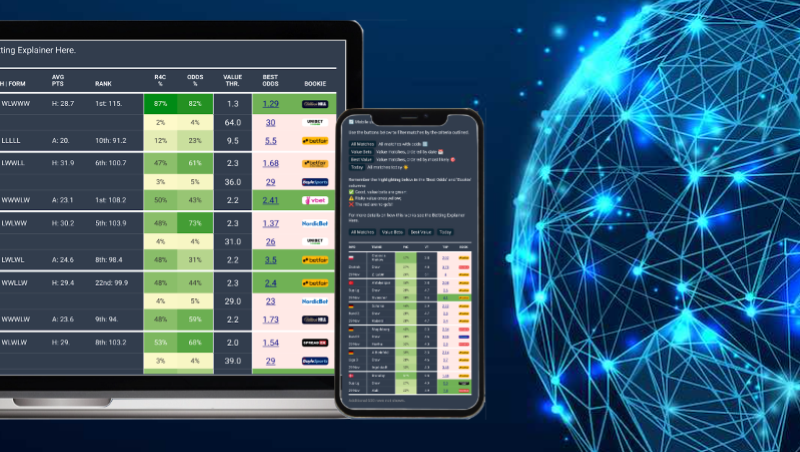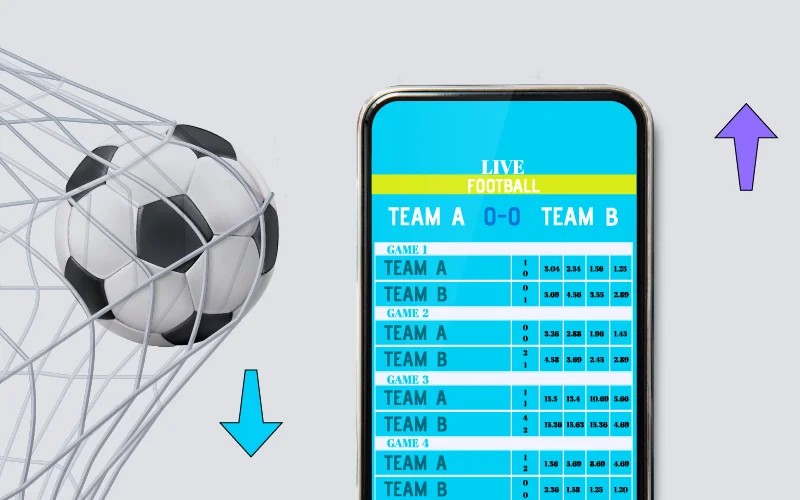
The ability to make accurate match predictions separates casual sports fans from serious bettors who consistently find value in football markets. Understanding the nuances of team performance, tactical setups, and contextual factors requires dedication and systematic analysis. With resources like eaglepredict offering data-driven insights and expert analysis, modern bettors have unprecedented access to information that can sharpen their predictive capabilities. This comprehensive guide explores professional techniques for analyzing fixtures, identifying value opportunities, and developing the disciplined mindset necessary for long-term betting success in the competitive world of football prediction.

Establishing a professional framework for match analysis
Building your foundation with comprehensive data collection
Professional bettors understand that accurate match predictions begin with gathering comprehensive data from reliable sources. Start by identifying trustworthy statistical databases that provide detailed match information including possession percentages, shot accuracy, defensive actions, and territorial dominance. Websites specializing in football analytics offer advanced metrics that reveal team performance beyond simple results.
Creating a personal database or spreadsheet system helps track the specific metrics you find most predictive. Record historical data for teams you follow regularly, including home and away splits, performance against different styles of opposition, and results under varying conditions. This personalized database becomes increasingly valuable as it grows, revealing patterns specific to your betting markets.
Supplement statistical data with qualitative information from press conferences, injury reports, and tactical analysis. Managers often provide hints about team selection and tactical approaches during pre-match media sessions. Journalists covering teams daily offer insider perspectives that pure statistics cannot capture. Combining quantitative data with qualitative insights produces more accurate predictions than either approach alone.
Developing a systematic evaluation process
Consistency in analysis methodology ensures you don't overlook critical factors when time-pressured. Develop a standard checklist covering all relevant aspects of match prediction. Begin with recent form analysis, examining the last six to eight matches for each team. Look beyond wins and losses to understand how teams achieved their results and whether performances suggest sustainable quality or temporary variance.
Next, analyze head-to-head history between the opponents. Some teams possess psychological advantages over specific rivals that persist regardless of current form. Recent meetings carry more weight than distant historical data, particularly when squad compositions and managerial approaches remain similar. Identify patterns in scoring, defensive solidity, and typical match flow from previous encounters.
Complete your systematic review by evaluating contextual factors including scheduling congestion, motivation levels based on league position and objectives, and potential lineup changes due to injuries or rotation. Teams facing fixture congestion often underperform relative to their normal standards. Squads competing for championships or fighting relegation typically display different intensity levels than mid-table teams with nothing at stake.
Mastering the interpretation of betting markets
Understanding how betting markets reflect collective wisdom helps identify where your analysis might uncover value. Opening odds represent bookmakers' initial assessments based on sophisticated models and historical data. Monitoring how odds move provides insights into where sharp money and public sentiment diverge. Significant line movements often indicate new information like injury news or weather forecasts affecting match dynamics.
Comparing odds across multiple bookmakers reveals discrepancies that might signal value opportunities. When one bookmaker offers significantly different odds from consensus market prices, investigate whether their assessment reflects overlooked factors or represents a genuine value proposition. Market inefficiencies exist but typically disappear quickly as sharp bettors exploit them.
Asian handicap markets provide alternative perspectives on expected match outcomes. These markets eliminate draw possibilities and offer clearer insights into predicted goal difference. Understanding how Asian handicaps correlate with traditional match odds enhances your ability to identify value across different market types. Professional bettors often find better value in Asian handicap markets than in standard win-draw-win betting.
Advanced techniques for improving prediction accuracy
Utilizing expected goals and advanced metrics effectively
Expected goals (xG) transformed football analysis by quantifying scoring opportunity quality. Teams consistently creating high xG demonstrate sustainable attacking quality regardless of short-term finishing variance. Conversely, teams converting chances well above their xG likely experience temporary good fortune that regresses toward the mean over larger samples. Incorporating xG analysis into predictions helps identify teams due for performance improvement or decline.
Expected goals against (xGA) measures defensive quality independent of goalkeeper performance and finishing luck. Teams allowing opponents high xGA possess structural defensive vulnerabilities likely to persist across multiple matches. Comparing actual goals conceded with xGA reveals whether teams benefit from exceptional goalkeeping or suffer from poor shot-stopping. These insights inform predictions about defensive sustainability.
Advanced possession metrics like progressive passes, passes into the penalty area, and successful dribbles in the final third reveal attacking quality more accurately than simple possession statistics. Teams excelling in progressive metrics create dangerous situations efficiently even without dominating possession. Analyzing these metrics alongside finishing data provides comprehensive understanding of offensive capabilities crucial for accurate match predictions.
Analyzing tactical matchups and strategic approaches
Tactical compatibility between opposing teams significantly influences match outcomes. Possession-based teams facing high-pressing opponents often struggle to establish their preferred rhythm, leading to lower-quality performances. Conversely, counter-attacking teams thrive against opponents who commit numbers forward, creating space for rapid transitions. Identifying these stylistic matchups enhances prediction accuracy beyond simple form analysis.
Managerial tendencies in big matches provide valuable prediction insights. Some managers adopt conservative approaches against strong opponents, prioritizing defensive solidity over attacking ambition. Others maintain aggressive tactics regardless of opposition quality, producing open, high-scoring encounters. Researching historical tactical approaches helps predict how matches might unfold based on managerial philosophies.
In-game adjustment capabilities separate elite managers from average ones. Teams led by tactically astute managers often improve as matches progress, making successful substitutions and formation tweaks. Others struggle to respond when initial game plans fail. Evaluating managerial quality and tactical flexibility provides edges in live betting markets and helps predict which teams rally from deficit positions.
Recognizing market psychology and betting patterns
Market psychology influences odds movements and creates value opportunities for disciplined analysts. Public betting sentiment often overvalues popular teams with large fan bases, inflating odds on their opponents. Identifying matches where public perception diverges from analytical assessment creates profitable betting situations. Contrarian betting against public favorites provides long-term value when supported by solid analysis.
Recency bias causes bettors to overweight recent results relative to larger performance samples. Teams experiencing short winning or losing streaks often see their odds shift more dramatically than underlying quality changes justify. Recognizing when market odds overreact to recent results allows value-focused bettors to capitalize on temporary mispricings before markets correct.
Major news events like managerial changes or star player transfers create market volatility as bettors struggle to evaluate impacts accurately. Markets often overreact immediately following dramatic news, creating value for patient analysts who thoroughly assess how changes truly affect team performance. Waiting for initial market hysteria to subside before placing bets often proves wise.

Critical factors that professional predictors never ignore
The decisive impact of team motivation and stakes
Match importance dramatically affects team performance in ways pure statistics don't capture. Teams fighting relegation with survival at stake typically display greater intensity than their form suggests. Desperation football often produces unexpected results as players give maximum effort. Analyzing league standings and remaining fixtures helps gauge motivation levels accurately.
European qualification races create similar dynamics where teams exceed normal performance expectations. The financial and prestige benefits of qualifying for continental competitions provide enormous motivation. Teams competing for European spots in final season matches often outperform their underlying metrics. Understanding what each team plays for enhances prediction accuracy significantly.
Conversely, teams with nothing at stake frequently underperform relative to their quality. Mid-table teams after mathematically secure league positions but eliminated from cup competitions often lack competitive intensity. End-of-season matches involving such teams produce unpredictable results. Betting against unmotivated teams or avoiding fixtures with mismatched stakes often proves prudent.
Weather conditions and environmental factors
Extreme weather significantly impacts match dynamics and scoring patterns. Heavy rain reduces pitch quality, making technical passing football difficult and favoring physical, direct styles. Teams relying on intricate build-up play struggle in wet conditions while those employing long-ball tactics gain advantages. Checking detailed weather forecasts before finalizing predictions prevents overlooking crucial environmental factors.
Strong winds affect both teams equally but favor certain playing styles. Goal kicks and long passes become unpredictable in gusty conditions, reducing effectiveness of direct attacking approaches. Teams comfortable adjusting tactics to weather conditions possess advantages over those rigidly adhering to single styles regardless of circumstances. Evaluating tactical flexibility helps predict weather-affected matches accurately.
Temperature extremes cause fatigue and reduce match intensity. High heat slows play and decreases goal-scoring rates as players conserve energy. Cold weather can affect ball control and passing accuracy, neutralizing technical advantages. Teams with deeper squads better manage energy in extreme temperatures through tactical substitutions. Squad depth analysis becomes particularly relevant when environmental conditions stress player fitness.
Injury news and squad rotation considerations
Key player availability dramatically influences match outcomes. Losing starting forwards reduces goal-scoring threat while missing defensive leaders increases vulnerability. Monitor official team channels and reliable journalists for latest injury updates before finalizing predictions. Last-minute lineup changes can invalidate careful analysis, so staying informed until kickoff proves essential.
Squad rotation during fixture congestion periods creates prediction challenges. Teams competing in multiple competitions often field weakened lineups in less important matches. Understanding each manager's rotation tendencies helps anticipate when teams might underperform expectations. Cup matches and fixtures between important league games frequently see heavy rotation affecting performance levels.
Recovery time between matches influences physical performance. Teams playing midweek European fixtures then facing weekend league matches often show fatigue, particularly when traveling long distances. Opponents with full rest weeks possess physical advantages. Tracking fixture schedules and travel demands helps identify matches where fatigue might impact results significantly.
Implementing professional betting discipline and bankroll management
Establishing sustainable staking strategies
Professional bettors protect their bankrolls through conservative stake sizing. Never risk more than one to two percent of total bankroll on individual bets regardless of confidence level. This approach ensures inevitable losing streaks don't eliminate your betting capital. Patience and bankroll preservation matter more than short-term profit maximization for long-term success.
Value betting focuses on finding odds that overestimate true outcome probabilities. Consistently betting on value propositions produces profits over large samples despite losing individual wagers frequently. Developing the discipline to bet only when identifying genuine value separates professionals from casual bettors chasing entertainment. Track your closing line value to measure whether your bets consistently beat market efficiency.
Avoiding accumulator temptation improves long-term profitability substantially. Multi-leg bets offer attractive payouts but exponentially increase difficulty as selections accumulate. Bookmaker edges compound with each additional selection, making accumulators poor value propositions. Focus on single bets or small doubles where analysis edges persist rather than diluting advantages through complex accumulator structures.
Learning from results and continuously improving
Maintaining detailed records of predictions and outcomes identifies strengths and weaknesses in your methodology. Track which factors proved most predictive and which led to errors. Successful professionals continuously refine their approaches based on empirical evidence rather than maintaining strategies that no longer produce value. Regular analysis of betting history drives improvement.
Accepting that losing runs occur inevitably prevents emotional decision-making during downswings. Even accurate predictions lose due to football's inherent randomness. Maintaining emotional equilibrium through variance requires understanding that long-term edges manifest over hundreds of bets, not individual matches. Professionals focus on process quality rather than short-term results.
Specializing in specific leagues or competitions where you develop expertise provides advantages over generalist approaches. Deep knowledge of team dynamics, managerial tendencies, and league-specific factors creates edges that statistical analysis alone cannot provide. Focus analytical efforts on competitions you understand thoroughly rather than chasing value across unfamiliar markets where information disadvantages exist.
Recognizing when to avoid betting entirely
Professional discipline includes recognizing matches that defy confident prediction. Some fixtures involve too much uncertainty or too many unknown variables to justify betting. Having the discipline to pass on unclear situations preserves bankroll for stronger opportunities. Not every match requires a bet, and selective betting improves overall profitability.
Market efficiency varies across leagues and competitions. Top-tier leagues like the English Premier League attract enormous betting volumes and sophisticated analysis, making consistent value harder to find. Lower-profile competitions often feature less efficient markets where careful analysis uncovers more value. Directing attention toward less efficiently priced markets can improve results.
Personal biases affect everyone's judgment regardless of analytical sophistication. Avoid betting on teams you support or strongly dislike as emotional attachment clouds objective analysis. Recognizing and controlling biases separates disciplined professionals from fans who bet with their hearts. When unable to analyze matches objectively, avoiding those bets entirely proves wiser than forcing predictions through biased lenses.

Conclusion: The path to professional-level prediction mastery
Developing the skills necessary for accurate match predictions requires commitment to systematic analysis, continuous learning, and disciplined execution. Success comes not from perfect predictions but from consistently identifying value and managing risk appropriately. By implementing the frameworks outlined in this guide, maintaining detailed records of your predictions, and continuously refining your methodology based on results, you can develop professional-level prediction capabilities over time. Remember that sustainable betting success requires patience, discipline, and treating prediction as a skill requiring constant development rather than relying on luck or intuition alone.
Related articles >> Expert Tips for Accurate Match Predictions Every Game Day