The world of football betting has transformed dramatically over recent years, evolving from simple gut-feeling predictions into a sophisticated discipline that demands careful evaluation and strategic thinking. For those seeking to improve their success rate and make more informed decisions, access to reliable football tips and analysis has become absolutely essential. The modern punter understands that consistent profitability requires much more than blind loyalty to favorite teams or following popular opinion. Platforms like eaglepredict have emerged to meet this growing need, providing comprehensive resources that empower bettors with data-driven insights and expert perspectives. In an increasingly competitive betting landscape, the difference between winning and losing often comes down to the quality of information available and how effectively that information gets interpreted and applied.
Building a Strong Foundation with Research Methodology
Successful football tips and analysis begin with establishing a robust research methodology that covers all essential aspects of match evaluation. Understanding team form represents just the starting point of this journey. Analyzing recent results provides surface-level information, but digging deeper into performance metrics reveals the true picture of a team's current capabilities and potential trajectory.
The first critical element involves examining underlying statistics that traditional scorelines might obscure. A team winning matches while creating few chances and relying on defensive solidity may not sustain that success long-term. Conversely, a side experiencing poor results despite dominating possession and generating quality opportunities might be due for positive regression. These patterns become visible only through careful statistical examination beyond simple win-loss records.
Player availability constitutes another fundamental factor that dramatically impacts match outcomes. Star players missing through injury or suspension can completely alter team dynamics and performance levels. Some squads possess sufficient depth to cope with absences, while others struggle significantly without key personnel. Identifying these dependencies and understanding squad depth helps anticipate how teams might perform under various circumstances.
Managerial influence deserves substantial attention as well. Coaching changes often trigger immediate performance shifts, whether positive or negative. New managers typically experience honeymoon periods where motivation spikes temporarily, while long-serving managers might face stale relationships with players. Tactical approaches vary wildly between coaches, and understanding these philosophical differences helps predict how matches might unfold when specific managers face each other.
Mastering the Art of Value Identification
Profitable betting hinges not simply on predicting outcomes accurately but on identifying value opportunities where odds exceed the true probability of events occurring. This concept separates recreational punters from serious bettors who consistently generate returns over extended periods. Developing this skill requires disciplined analysis and honest assessment of probabilities rather than wishful thinking.
Value emerges when bookmakers misprice markets, which happens more frequently than many realize. Public perception often skews odds, particularly involving popular teams with massive fan bases. When sentiment drives prices beyond reasonable levels, opportunities arise for those conducting objective analysis. Recognizing these situations demands independence from crowd mentality and confidence in personal research findings.
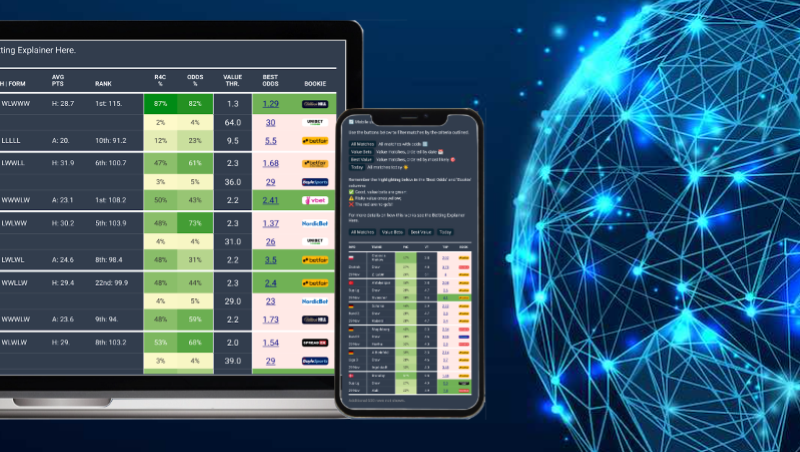
Comparing odds across multiple bookmakers maximizes potential returns and helps identify where value truly exists. Significant discrepancies between operators often indicate uncertainty or differing opinions about probable outcomes. These variations create opportunities for strategic positioning, especially when personal analysis aligns with the more generous prices available.
Bankroll management principles work hand-in-hand with value identification to create sustainable betting strategies. Even with excellent football tips and analysis, variance ensures that losing runs occur inevitably. Staking appropriately relative to perceived edges and overall bankroll size protects against ruin during inevitable downswings while maximizing growth potential during profitable periods.
Decoding Tactical Matchups and Strategic Considerations
Modern football's tactical complexity offers numerous angles for analytical exploration that casual observers frequently overlook. Understanding how different playing styles interact creates edges in predicting match outcomes and specific betting markets. Teams employing high pressing systems face unique challenges against sides comfortable playing long balls over the top, while possession-dominant teams might struggle breaking down organized defensive blocks.
Formations tell only part of the tactical story. How teams transition between attacking and defensive phases, their approach to controlling midfield areas, and their willingness to take risks all influence match dynamics significantly. Some managers prioritize defensive solidity above all else, while others commit numbers forward even at the risk of vulnerability in transition. These philosophical differences create predictable patterns that astute analysts can exploit.
Set-piece proficiency represents a frequently underestimated factor in match outcomes. Teams strong at defending corners and free kicks possess significant advantages, while those vulnerable in these situations face constant danger. Similarly, attacking set-piece prowess provides additional goal-scoring avenues beyond open play creation. Evaluating these specialized situations adds valuable dimensions to comprehensive match assessments.
Individual player matchups within broader tactical frameworks warrant attention too. A pacy winger facing a slow full-back creates obvious exploitation opportunities, while a physical striker against a small center-back suggests potential aerial dominance. Identifying these specific advantages helps predict not just outcomes but also likely goal-scorers and methods of breaking deadlocks.

Utilizing Advanced Metrics for Deeper Insights
The analytics revolution has provided bettors with unprecedented access to sophisticated metrics that illuminate performance aspects traditional statistics miss entirely. Expected goals (xG) quantifies chance quality, revealing which teams create and concede dangerous opportunities regardless of actual conversion rates. Over sufficient sample sizes, actual goals typically regress toward expected goals, making xG valuable for identifying overperforming and underperforming teams.
Expected assists (xA) measures the quality of chances created for teammates, helping evaluate creative players and chance-creation patterns. Combined with shot maps showing exactly where attempts originate, these metrics paint detailed pictures of offensive capabilities and tendencies. Defensive metrics like pressing success rates, tackles in the defensive third, and expected goals against provide comparable insights into defensive organization and effectiveness.
Possession-adjusted statistics offer crucial context that raw numbers lack. Dominating possession naturally increases pass completion percentages and reduces defensive actions simply through having the ball more frequently. Adjusting metrics to account for possession levels enables fairer comparisons between teams employing vastly different tactical approaches. This context proves essential when evaluating matchups between possession-oriented and counter-attacking sides.
Navigating Fixture Scheduling and Physical Demands
The modern football calendar subjects players to unprecedented physical demands that significantly impact performance levels and injury risks. Teams competing across multiple competitions face congested schedules requiring careful squad rotation and management. Understanding these dynamics helps predict when key players might be rested and when fatigue could impair performance quality.
Midweek European fixtures preceding weekend domestic matches present particular challenges. Teams traveling long distances for continental competition often display reduced intensity in subsequent league fixtures, especially if facing quick turnarounds between matches. Conversely, teams eliminated from cup competitions sometimes benefit from enhanced focus and recovery time for remaining objectives.
The psychological impact of upcoming fixtures influences current performance too. Teams facing crucial matches within days might approach preceding fixtures more cautiously, prioritizing injury avoidance over maximum effort. These strategic considerations affect motivation levels and commitment, creating potential value for attentive analysts recognizing when teams might underperform relative to capabilities.
Seasonal Context and Motivational Factors
Match importance varies dramatically depending on league position, season stage, and competition context. Teams battling relegation display different characteristics than comfortable mid-table sides or those competing for championships. Understanding these motivational dynamics adds essential context to football tips and analysis, helping predict effort levels and risk-taking behavior.
End-of-season scenarios present unique analytical challenges. Teams with nothing meaningful to play for often rotate heavily and lack competitive intensity, while those fighting for survival or glory display maximum commitment. These circumstances create predictable performance variations that differ substantially from mid-season norms when all teams remain relatively motivated.
Derby matches and traditional rivalries generate emotional intensity that transcends current form and league positions. These fixtures frequently produce unpredictable results as pride and passion temporarily override talent disparities. Recognizing when standard analytical approaches require adjustment for these exceptional circumstances prevents costly mistakes based on conventional logic.

Developing Long-Term Betting Strategies
Sustainable success in football betting requires treating it as a long-term endeavor rather than seeking immediate windfalls. Developing systematic approaches based on consistent application of proven principles generates reliable returns over extended periods. This patient, disciplined methodology contrasts sharply with impulsive betting driven by emotion or desperation to recoup losses quickly.
Record-keeping provides invaluable feedback for continuous improvement. Documenting predictions, reasoning, stakes, and outcomes enables objective evaluation of what works and what doesn't. Patterns emerge over time revealing strengths to exploit and weaknesses requiring correction. This honest self-assessment separates serious punters from those destined to lose long-term.
Specialization often proves more profitable than attempting to cover all leagues and markets. Developing deep expertise in specific competitions enables recognition of subtle patterns and value opportunities that generalists miss. Whether focusing on particular leagues, team styles, or betting markets, concentrated effort typically yields superior results compared to spreading attention too thinly across countless options.
The journey toward becoming a successful punter demands dedication, patience, and continuous learning. Quality football tips and analysis provide essential foundations, but combining these resources with personal research, disciplined strategy implementation, and honest performance evaluation creates the complete package necessary for long-term profitability. Those willing to invest the required effort while maintaining realistic expectations position themselves for sustainable success in the challenging yet rewarding world of football betting.
Related articles >> Expert Football Tips and Analysis for Smarter Betting