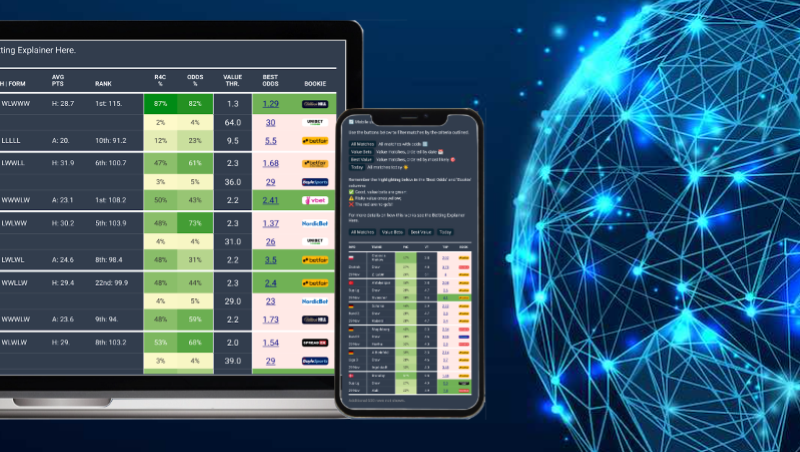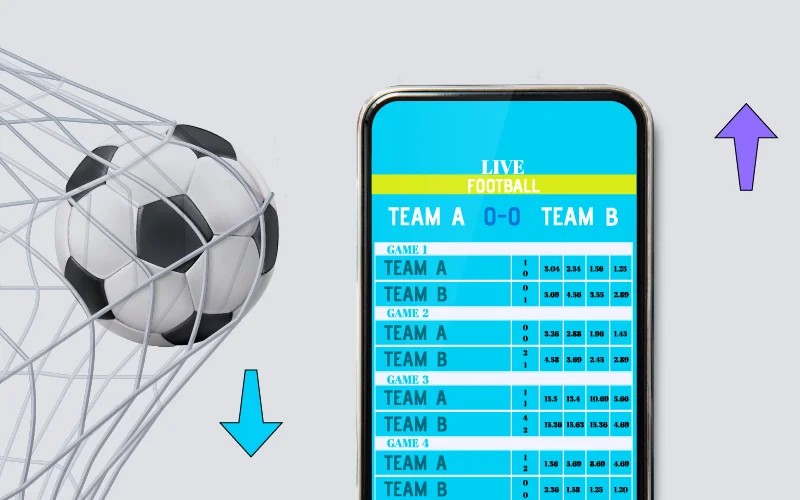
The beautiful game continues to captivate millions of fans worldwide, and with each passing season, the appetite for insightful football tips and analysis grows exponentially. Whether you're a passionate supporter looking to deepen your understanding of tactical nuances or someone seeking to make more informed predictions, having access to quality analysis has never been more crucial. Platforms like eaglepredict have recognized this growing demand, offering comprehensive resources that bridge the gap between casual observation and expert-level understanding. In today's football landscape, where marginal gains often determine outcomes, the ability to interpret data, assess form, and evaluate match contexts separates successful predictions from mere guesswork.

Understanding the Foundation of Quality Match Predictions
Successful football tips and analysis require a multifaceted approach that goes far beyond simply looking at league tables. The foundation begins with comprehensive research into team dynamics, player availability, and historical performance patterns. Every match presents a unique set of circumstances that demand careful consideration. Form analysis should extend beyond the last five games, examining how teams perform in specific situations such as home versus away fixtures, matches against top-six opponents, or games following European competition.
Statistical metrics have revolutionized how we approach match evaluation. Expected goals (xG) provide insight into the quality of chances created and conceded, offering a more accurate picture than simple goal tallies. Possession statistics, when contextualized properly, reveal whether a team controls games or relies on counter-attacking strategies. Pass completion rates in the final third indicate creativity and penetration, while defensive metrics like tackles won and interceptions showcase a team's ability to regain possession.
The psychological dimension cannot be overlooked either. Teams battling relegation often display different characteristics than those competing for titles or European qualification. Understanding motivation levels, managerial pressure, and squad morale adds crucial context to any analytical framework. This holistic approach ensures that predictions are grounded in reality rather than speculation.
Tactical Evolution and Strategic Assessment Methods
Modern football has witnessed a tactical renaissance, with managers constantly innovating to gain competitive advantages. Analyzing tactical setups requires understanding various formations, pressing systems, and transition play. A team's ability to adapt within matches often proves decisive, and recognizing these patterns enhances prediction accuracy significantly.
The evolution from traditional 4-4-2 formations to fluid systems like 4-3-3, 3-5-2, and even asymmetric shapes demands sophisticated analysis techniques. Observing how teams defend set pieces, organize pressing triggers, and exploit space in wide areas provides valuable insights. Some teams excel when allowed to dominate possession, building patiently from the back, while others thrive in chaotic, transitional scenarios where defensive organization breaks down.
Individual player roles within tactical frameworks deserve scrutiny too. The impact of a creative midfielder operating between lines, a target striker holding up play, or an aggressive full-back providing width can transform team dynamics entirely. Injuries or suspensions to key personnel often necessitate tactical adjustments that affect overall performance levels. Recognizing these dependencies helps anticipate how teams might struggle or adapt when deprived of crucial components.
Advanced metrics such as pressing intensity, defensive line height, and build-up play patterns offer quantifiable measures of tactical execution. Teams with high defensive lines invite different attacking approaches compared to deep-sitting defensive blocks. Understanding these nuances allows for more accurate assessments of potential match outcomes and specific betting markets.
Head-to-Head Records and Historical Matchup Trends
Historical data provides context that enriches contemporary analysis considerably. Certain teams consistently perform well against specific opponents regardless of current form, suggesting psychological or tactical advantages that transcend individual seasons. These head-to-head records shouldn't dictate predictions entirely, but they offer valuable supplementary information when combined with current form and circumstances.
Venue-specific trends deserve attention as well. Some stadiums present unique challenges due to pitch dimensions, atmospheric pressure from passionate supporters, or even climatic conditions. Teams accustomed to playing on smaller pitches might struggle when visiting venues with expansive playing surfaces, while altitude or weather conditions can significantly impact performance levels for visiting sides unaccustomed to such environments.
Derby matches and rivalry fixtures often produce results that defy conventional logic. The emotional intensity elevates performances and sometimes leads to unexpected outcomes. Lower-ranked teams frequently raise their game against prestigious opponents, making these fixtures particularly challenging to predict accurately. Recognizing when standard analytical approaches need adjustment for unique match contexts separates competent analysis from exceptional insight.
Key Performance Indicators Worth Monitoring Closely
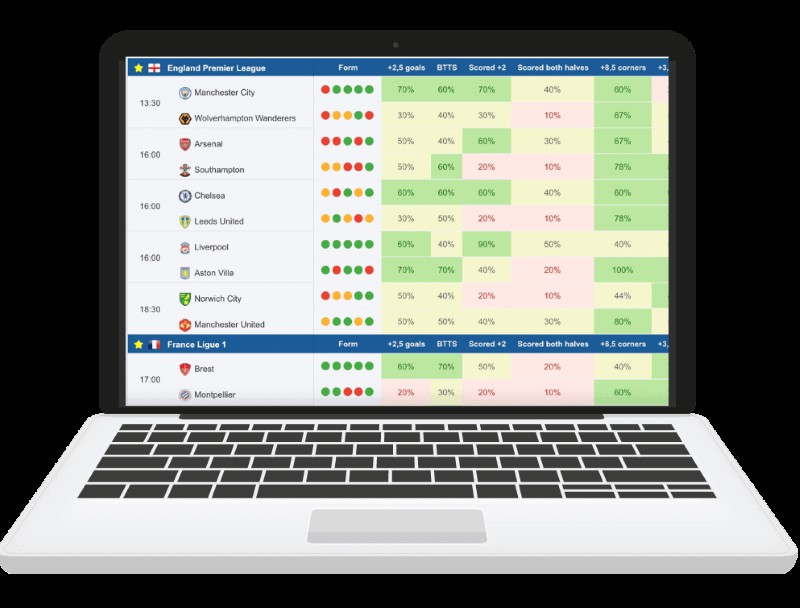
Identifying relevant performance indicators streamlines the analytical process and focuses attention on truly predictive metrics. Goal-scoring trends reveal offensive potency, but examining chance creation rates provides deeper understanding. Teams generating numerous high-quality opportunities will likely maintain or improve goal-scoring rates over time, while those relying on fortunate conversions from limited chances may regress toward the mean.
Defensive solidity extends beyond goals conceded to encompass clean sheet frequency, shots faced per match, and the quality of opposition chances allowed. Teams conceding few goals despite facing many shots might be benefiting from exceptional goalkeeping rather than robust defensive structure, suggesting potential vulnerability. Conversely, teams with strong underlying defensive metrics but poor results might be experiencing temporary misfortune.
Discipline records indicate potential vulnerabilities too. Teams accumulating numerous cards face suspension risks and may struggle with aggression management in crucial matches. Conversely, overly cautious teams might lack the competitive edge necessary when physicality increases in decisive fixtures. These behavioral patterns provide additional layers to comprehensive match assessments.
Leveraging Statistical Analysis for Informed Predictions
Statistical modeling has transformed football tips and analysis into a more scientific discipline. Regression analysis, machine learning algorithms, and probability calculations provide objective frameworks for evaluation. These tools identify patterns invisible to casual observation, quantifying factors like home advantage, rest periods between fixtures, and travel distances for away teams.
However, statistical analysis should complement rather than replace contextual understanding. Numbers cannot fully capture intangible factors like team chemistry, managerial tactical acumen, or moments of individual brilliance. The most effective approach combines quantitative rigor with qualitative insight, balancing data-driven conclusions with experiential knowledge and situational awareness.
Tracking long-term trends helps identify when teams are overperforming or underperforming relative to underlying metrics. These discrepancies often correct over time, creating opportunities for astute observers to anticipate regression or progression before it becomes obvious in results. This forward-looking perspective distinguishes predictive analysis from retrospective commentary.
Seasonal Dynamics and Schedule Congestion Effects
The football calendar presents varying challenges throughout the season that significantly impact team performance. Early season form often proves misleading as squads require time to develop chemistry and implement tactical systems. Mid-season periods typically provide the most reliable performance data, while late-season dynamics introduce additional variables like accumulated fatigue, injury concerns, and shifting motivations based on league position.
Schedule congestion presents particular analytical challenges. Teams competing in multiple competitions face demanding fixture schedules that test squad depth and rotation policies. Identifying when key players might be rested or when fatigue could impair performance adds valuable predictive value. Conversely, teams with extended breaks between fixtures might lack competitive rhythm despite being physically fresh.
The impact of international breaks deserves consideration too. Players returning from international duty often carry fatigue or minor injuries, while those not selected sometimes display improved motivation or benefit from rest. These nuanced factors influence team selection and performance levels in fixtures immediately following international windows.

Developing a Comprehensive Analytical Framework
Creating a systematic approach to football tips and analysis ensures consistency and reduces bias in evaluation processes. Establishing clear criteria for assessing matches, ranking factors by importance, and maintaining detailed records of predictions and outcomes facilitates continuous improvement. This disciplined methodology transforms casual interest into serious analytical capability.
Successful frameworks incorporate multiple perspectives, considering offensive and defensive capabilities, tactical matchups, motivational factors, and situational contexts. Weighting these elements appropriately for different match types and competition levels requires experience and ongoing refinement. What matters most in a relegation battle differs substantially from considerations in a title decider or cup final.
Regular review and adaptation keep analytical approaches relevant as the game evolves. Tactical innovations, rule changes, and shifting competitive landscapes require flexible frameworks that accommodate new information while maintaining core principles. This balance between consistency and adaptability characterizes the most effective analytical methodologies.
The journey from casual observer to informed analyst demands dedication, curiosity, and willingness to challenge assumptions. By combining statistical rigor with contextual understanding, developing systematic evaluation processes, and maintaining realistic expectations about predictive accuracy, anyone can significantly enhance their ability to generate valuable football tips and analysis. The rewards extend beyond potential financial gains to include deeper appreciation for the sport's complexity and the satisfaction of informed, thoughtful engagement with the beautiful game.
Related articles >> Expert Guide to Achieve Accurate Match Predictions